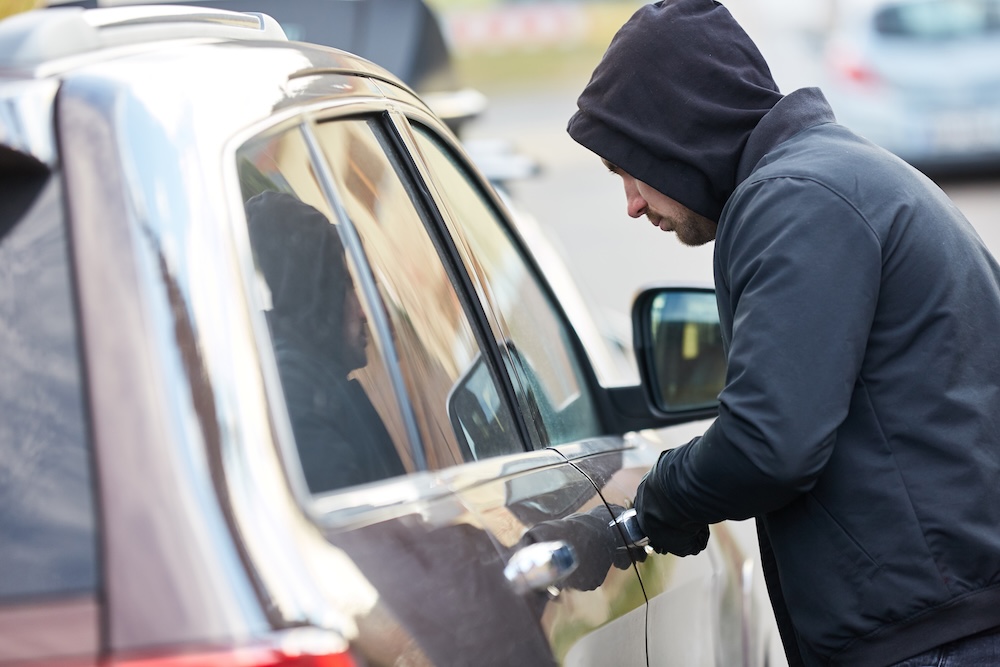
Vehicle theft is still a significant issue across the UK, and while modern cars come with increasingly sophisticated security systems, thieves are just as determined to find ways around them.
The reality is simple: there’s no single fix, but a layered approach to reducing risk – combining good habits, visible deterrents, physical barriers, and smart technology.
Here’s our guide to help keep your vehicle secure, wherever you park it.
Everyday Security Habits
Start with what you can control.
- Lock your vehicle, every time. Don’t rely on auto-locking systems or assume short stops are safe. Double-check that all windows are closed and mirrors have folded in (many thieves look for cars with mirrors still out – a sign they could be unlocked).
- Protect your keys. Keyless entry systems are convenient but vulnerable to ‘relay attacks’, where thieves clone your key signal when you key is inside your home. Store keys in a signal-blocking pouch and away from doors or windows.
- Be strategic about parking. Choose well-lit, busy spots or monitored car parks. Avoid isolated areas when possible.
- Remove valuables. Even small accessories like cables, sat nav mounts, or loose change, can attract unwanted attention. Don’t leave any important documents in your vehicle.
- Secure number plates and wheels. Use anti-tamper screws and locking wheel nuts for an inexpensive extra layer of defence.
Visible and Physical Deterrents
When thieves see visible barriers, they often move on.
- Mechanical locks – steering, gear stick, or pedal locks remain effective. They’re obvious, reliable, and difficult to bypass quickly. Here are What Car’s Best Steering Wheel Locks for 2025.
- Lockable OBD covers – this is a lockable device that prevents thieves from accessing the OBD port to program new keys or bypass the immobiliser system. It can stop thieves from plugging devices into your car’s diagnostic port to start the engine.
- VIN etching (Vehicle Identification Number)and forensic marking kits – etching the VIN number onto windows and other parts can deter theft as it makes it harder for thieves to sell the parts. It also can make recovery easier if the vehicle is stolen.
Many of these deterrents you can buy on Amazon or from other motoring specialists including Halfords and the RAC.
Driveway and Property Security
If you park at home, use your environment to your advantage.
- Telescopic driveway postsand security bollards physically block vehicle access. Once locked in place, they make driving away without a key impossible.
- Lighting and cameras also help. Motion-activated lights and visible CCTV act as deterrents, while recordings can support insurance or police investigations if needed. Just ensure any equipment complies with local privacy regulations.
Advanced Vehicle Security Technology
Technology is now a major ally in the fight against vehicle theft.
Ghost immobilisers
A ghost immobiliser adds a discreet layer of protection. It requires a unique code sequence (entered via existing controls, like steering wheel buttons) before the car starts. Because it doesn’t use radio signals or external fobs, it can’t be detected or cloned – making it particularly effective against key cloning and relay theft. Ghost immobiliser installations should be handled by a qualified professional, and it’s wise to confirm with your insurer that such devices are approved under your policy.
Tracking and telematics systems
Modern GPS trackers can pinpoint your car’s location within seconds and alert you if it moves unexpectedly. Some systems also allow remote immobilisation once the vehicle is stationary. Subscription models vary, but the technology is widely available and increasingly accessible.
Building a Layered Defence
Each layer of security complements the next. For most drivers:
- Parking: focus on visible deterrents and signal-blocking protection.
- Driveways: combine bollards, lighting, and tracking.
- Garages: reinforce locks and consider internal motion alarms.
The goal is to make your car as inconvenient and time-consuming to steal as possible.
Before You Install
A few practical checks:
- Consult your insurer before fitting new equipment.
- Choose professional installers for any immobiliser or electrical system.
- Regularly test alarms and trackers to confirm they’re working correctly.
- Stay updated with police or motoring advice on new theft methods and prevention.
Car security isn’t about paranoia, it’s about preparation. No system is completely foolproof, but layering physical, digital, and behavioural defences gives you the best chance of keeping your car right where it belongs: on your driveway, not someone else’s.