If you’re new to driving, then it’s likely that you may never have driven in very cold weather conditions before. You will need to take extra care when driving on ice. As long as you stay calm and take things easy, you shouldn’t have any real issues.
In this post we’ll explore how you can tell if you’re driving on ice because it’s not always obvious! We’ll also discuss what you should do if you find yourself driving on an icy road.
How To Spot Ice on the Road
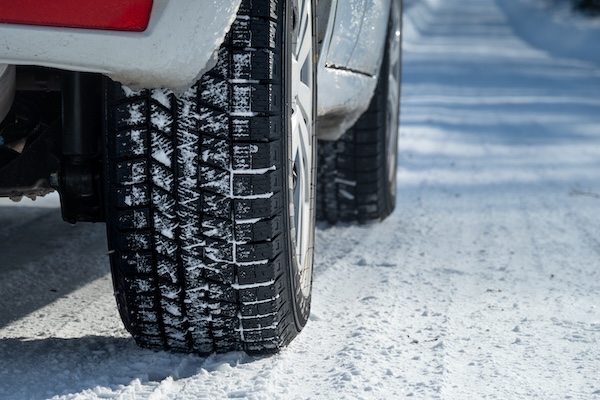
A lot of the time, you’ll be able to see the ice on the road. The road’s surface may appear frosty, and it may glitter a little in the light, but ice can be a lot harder to spot at night. Plus, there’s the dreaded black ice, which is almost invisible.
How To Tell If You’re Driving on Ice
The most important thing you can do is listen. Turn off your radio, music, or podcast, and listen to the sound of your car’s wheels on the road. If they suddenly go quiet, to the point that they’re making almost no noise at all, then you may be driving over a patch of ice.
It’s also important to pay attention to the symbols on your car’s dashboard. If the temperature is at 3°C or lower, then you should take this as a sign that you need to take things extra slow. Some cars will display snowflake icons if the temperature drops to a certain level – yellow if there’s a chance of ice, and red if there’s a strong risk of ice. When you see either of these snowflakes, proceed with caution.
What To Do If You Find Yourself Driving On Ice
First, remember that your stopping distance can be up to 10 times greater if you’re driving on ice. Keep your speed constant, maintain a safe distance from the car in front, and if you need to brake, do so gently. Slamming on the brakes could cause you to skid.
If you do find yourself skidding on the ice:
- Try to stay calm
- Resist the temptation to brake, as this may cause your wheels to lock, which could make things even worse.
- Push the clutch down, and turn your steering wheel in the direction you’re skidding.
- Your car will straighten, and you can then steer along the road until you regain control.
What Would Suggest You’re Driving On Ice?
If you’re still learning to drive, then you might get this question on your theory test:
Q: What would suggest you’re driving on ice?
- There’s less engine noise
- There’s less wind noise
- There’s less transmission noise
- There’s less tyre noise
As we mentioned above, the answer’s d: Less tyre noise will suggest you’re driving on ice. So on freezing days, pay attention to the sounds around you!
General Best Practice Guidelines For Driving in Winter
- Only use the car if it’s strictly necessary, especially when the temperature drops below freezing.
- Plan your route carefully. Try to stick to main roads, as these are more likely to be well lit, and the council will prioritise these for gritting.
- Keep your speed constant, aim for gentle manoeuvres, and brake as gently as possible.
- Be sure to thoroughly defrost your car before every journey. If it’s been snowing, it’s important to remove all the snow from car, including your roof, before you set out.
- Pack a winter car kit, so you’ll have everything you need if you break down.
You can read our full guide to safe winter driving.
Finally, remember that hazardous conditions can make accidents more likely in icy conditions. But with comprehensive car insurance, if you are involved in an incident, you’ll be able to rest assured that we will be there to help with your claim.